Signs That the Heater Needs Repair

When to Call for Heater Repair

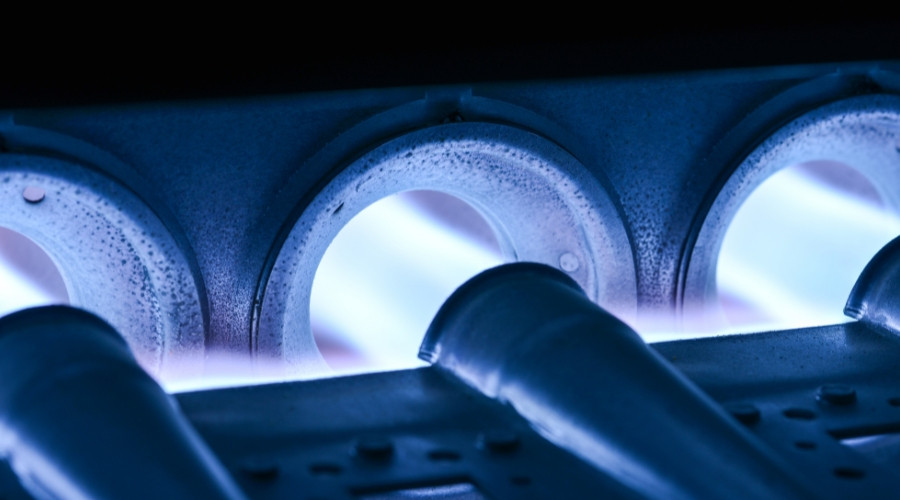
A reliable heating system is the primary defense against the harsh conditions of winter. While these systems are built for durability, their internal components eventually wear out, leading to diminished performance. Recognizing the subtle indicators of mechanical distress is essential for any homeowner who wishes to avoid the inconvenience of a total system failure. Promptly addressing these signs through professional heater repair ensures that the equipment remains safe to operate and capable of maintaining a stable indoor climate.

High Utility Bills

bills Financial fluctuations in monthly energy statements often serve as a silent alarm for a failing heater. When a system loses mechanical efficiency, it must consume more electricity or fuel to produce the same amount of warmth it once provided with ease. This struggle is typically caused by a buildup of grime on sensitive sensors or the friction of aging mechanical parts.

By seeking expert heating repair, the system can be recalibrated to its original specifications. This restoration allows the unit to become efficient once again, effectively lowering monthly utility costs by eliminating unnecessary energy waste.

Unusual Sounds or Smells

bad smell The acoustic and olfactory profile of a heating system can offer deep insights into its internal health. A unit in good standing should operate with a predictable and unobtrusive sound; therefore, the emergence of sudden clanging, persistent whistling, or metallic screeching suggests that a component has shifted out of place or is nearing the end of its lifespan.

Smells are equally indicative of trouble. For instance, a sharp, ozone-like scent may indicate electrical scorching, while a dusty, scorched odor suggests restricted airflow. Addressing these anomalies through a targeted heater repair is the only way to ensure that the equipment does not pose a risk to the household.

Insufficient Heating

Performance gaps, such as a home that never quite reaches the target temperature or rooms that feel significantly colder than others, are clear signals that the heating system is no longer capable of meeting the household’s needs. These inconsistencies often arise from a breakdown in the communication between the thermostat and the unit, or a mechanical failure in the distribution of heated air. Rather than forcing the system to run indefinitely to compensate for these “cold spots,” a professional heating repair can identify the specific bottleneck. Fixing the source of heat loss ensures a uniform temperature throughout the residence and prevents the unit from overheating and burning out.

About Eric Kjelshus Energy Heating and Cooling

Eric Kjelshus Energy Heating and Cooling provides expert residential and commercial heating, cooling, plumbing, electrical, and renewable energy solutions, including solar and geothermal systems. They have highly trained technicians, fully stocked service vehicles, and a prompt same-day response. Call them for an expert heater repair and maintenance in Greenwood, MO.

Distribution Links +

The Benefits of Switching to a Tankless Water Heater

Why Go Tankless?

Modernizing a home’s plumbing infrastructure often involves reevaluating how essential resources are delivered. As homeowners seek ways to improve functionality and reduce their carbon footprint, the limitations of older technology become increasingly apparent. Moving away from bulky, traditional reservoirs in favor of a tankless water heater installation represents a smart evolution in home maintenance. This shift not only addresses immediate comfort needs but also serves as a proactive step toward a more sustainable and cost-effective household.

Energy Efficiency

save money The most significant advantage of this upgrade lies in its impressive energy efficiency. Conventional units, known as storage water heaters, must keep a large volume of water hot 24 hours a day, regardless of whether anyone is home to use it. This constant reheating leads to “standby loss,” in which heat steadily radiates from the hot water tank, wasting fuel and driving up monthly expenses.
In contrast, a tankless water heater operates on a strictly on-demand basis. It uses high-powered burners or electric coils to flash-heat water only when a tap is opened. Because the system does not waste energy keeping a reserve tank hot when effectively idle, it consumes significantly less power. This efficient operation directly translates into lower utility bills than with a standard storage-tank water heater.

Endless Hot Water Supply and Space Savings

water One of the most common frustrations with a traditional storage water heater is running out of hot water at inconvenient times. Once the pre-heated supply is drained—perhaps after a few back-to-back showers—the household is forced to wait for the tank to refill and recover temperature. A tankless unit solves this logistical problem by heating water instantaneously as it passes through the pipes. This provides a virtually endless supply, ensuring hot water is available whenever needed, without the fear of a cold shower.

Beyond the functional benefits, the physical design of tankless models offers a major spatial advantage. A standard hot water tank is a large, cylindrical appliance that dominates valuable floor space in a basement or utility closet. Conversely, tankless units are compact, often the size of a carry-on suitcase, and are mounted on the wall. This space-saving design eliminates the footprint of a large vessel, freeing up the area for extra storage or other uses.

Longer Life Expectancy

When considering the long-term value of a water heater replacement, durability is a key differentiator. Traditional storage units are prone to rust and sediment buildup because they hold water continuously, which accelerates corrosion. As a result, these systems typically need to be replaced every 10 to 15 years.

Tankless systems, however, are not subject to the constant wear of holding standing water. Because they are designed with replaceable components and cleaner operation, a tankless water heater can last upwards of 20 years with routine maintenance. This extended lifespan means homeowners can delay the expense and hassle of their next replacement, offering a better return on investment over time.

About Eric Kjelshus Energy Heating and Cooling

Eric Kjelshus Energy Heating and Cooling is a full-service residential and commercial contractor specializing in heating, cooling, plumbing, electrical, and energy-efficient solutions. With trained, background-checked technicians and well-equipped service vehicles, they deliver prompt, reliable service and smart comfort solutions you can trust. Call them today for expert tankless water heater installation in Greenwood (Kansas City), MO.

Distribution Links +

When Furnaces Overheat: How to Spot and Prevent Damage

What to Know About a Furnace Overheating

Heating professionals often encounter overheating furnaces during seasonal transitions. This article highlights the risks, warning signs, and preventive measures, such as routine furnace maintenance and timely filter replacement. These steps reduce the risk of costly repairs, extend equipment life, and lower the risk of fire and carbon monoxide exposure.

Risks of an Overheating Furnace

An overheating furnace can cause serious consequences. Excess heat can damage internal components, leading to costly furnace repair or premature failure that forces an early furnace replacement. Overheating raises the chance of a fire when insulation, wiring, or nearby materials reach ignition temperatures. Elevated operating temperatures can also increase the risk of a carbon monoxide leak; prolonged exposure to carbon monoxide can result in carbon monoxide poisoning. Electrical parts stressed by repeated overheat events are prone to failure, creating further hazards and service expenses. Prompt attention to early warnings reduces damage and safety risks.

Signs of an Overheating Furnace

bad smell Several warning signs often precede a full overheat event. A persistent burning smell coming from the furnace area suggests overheating due to issues such as a dirty filter, dust burning off components, damaged electrical wiring, or other problems. Strange noises such as humming, grinding, or loud rattling can indicate motors or bearings running too hot or failing under stress.

An overheating furnace may fail to complete full cycles and shut down unexpectedly as built-in protections trip to avoid further damage. Higher-than-normal energy use, frequent short cycling, and repeated trips to reset controls also point to an overheating condition that needs assessment.

Ways to Prevent a Furnace From Overheating

filter Routine heating maintenance reduces the chance of an overheat event. Regular furnace filter replacement keeps airflow steady and prevents dusty buildup that makes the system work harder. Inspecting and replacing filters on schedule supports proper combustion and reduces blower strain. Scheduled professional furnace maintenance uncovers developing problems early: technicians will clean components, check electrical connections, verify airflow, test safety controls, and confirm venting is clear. Additional preventive steps include keeping vents and returns unobstructed, ensuring adequate clearance around the unit, and addressing strange noises or odors promptly to avoid escalation.

About Eric Kjelshus Energy Heating and Cooling

Eric Kjelshus Energy Heating and Cooling offers a comprehensive range of residential and commercial plumbing, HVAC, and electrical services in Greenwood and the surrounding Kansas City communities. With same-day service and 100% quality products, customers can rest assured that their needs always come first. Call them today to schedule furnace repair and maintenance services in Greenwood, MO.

Distribution Links +

Cold-Weather Plumbing Protection: Simple Steps That Work

How to Prevent Frozen Pipes This Winter

As winter approaches, protecting household plumbing from sudden cold snaps becomes essential. The last thing any property owner wants is a burst pipe that soaks walls, floors, and belongings. Fortunately, prevention is straightforward with a few focused steps. This overview covers practical strategies to prevent frozen pipes, including pipe insulation for exposed lines, maintaining steady heat and airflow indoors, and winterizing every outdoor faucet before temperatures tumble. The goal is simple: reduce the risk of freezing pipes and avoid emergency repairs. Below are clear actions that help keep water moving and homes dry all season long.

Insulate the Pipes

pipes Pipe insulation acts as a thermal buffer, helping water lines resist temperature swings that can lead to frozen pipes and costly damage. This upgrade is especially helpful in unconditioned spaces—attics, crawl spaces, garages, and unfinished basements—where cold air settles around plumbing. Concentrating efforts on pipes near exterior walls and in drafty areas reduces the chance of a pipe burst when temperatures drop.

To insulate pipes, slide foam sleeves over accessible lines or wrap them with approved insulation materials, securing seams and bends carefully. Pre-slit foam tubes make quick work of long, straight runs, while elbow and T-joints benefit from custom-cut pieces or insulated tape for a snug fit. Even partial coverage along the coldest stretches can improve protection and maintain more stable water temperatures. For added peace of mind, consider insulating valves and fittings that often get overlooked. Compared to the disruption of a pipe burst, this simple winterization step takes minimal time and cost while offering reliable defense against freezing pipes.

Keep the Heat on and Open Cabinets

sinkConsistent indoor heat is a frontline defense against freezing pipes. Rather than allowing the thermostat to swing widely, aim for steady, moderate settings that keep air moving through rooms and hallways. Spaces behind closed doors or inside cabinetry can become cold pockets, so opening kitchen and bathroom cabinets helps warmer air reach supply lines tucked along exterior walls. This small change can make a noticeable difference in reducing the risk of a burst pipe during an extended cold snap.

Improving airflow works hand in hand with insulation. Keep interior doors ajar to encourage circulation across the home, and address obvious drafts around windows, doors, or sill plates that can funnel cold air toward plumbing. In extreme conditions, allowing a slow trickle from a fixture may keep water moving and lower the chance of ice forming in vulnerable sections. Together, these steps help prevent frozen pipes and limit strain on the plumbing system, making emergency calls less likely when temperatures plummet.

Winterize Outdoor Faucets

Outdoor fixtures face the cold directly, so preparing them early helps prevent a pipe burst that can start at the wall and spread indoors. Begin by disconnecting garden hoses from every outdoor faucet and storing them where residual water can fully drain. Emptying hoses prevents trapped water from freezing and pushing pressure back into supply lines.

Follow this process to protect each outdoor faucet:

  1. Shut off the interior supply valve that feeds the exterior line, if available.
  2. Open the outdoor faucet to release any remaining water and relieve pressure.
  3. Drain any accessible vacuum breakers or backflow devices per manufacturer guidance.
  4. Add an insulated cover to each outdoor faucet to block wind and cold air.
  5. Where feasible, apply pipe insulation to exposed sections of exterior plumbing for extra protection.

These simple steps limit trapped water, reduce pressure spikes from expanding ice, and help avoid frozen pipes that can escalate into a burst pipe. Used together with indoor measures, outdoor winterization builds a strong defense against freezing pipes throughout the entire property.

About Eric Kjelshus Energy Heating and Cooling

About Eric Kjelshus Energy Heating and Cooling is a trusted plumbing, HVAC, and electrical company proudly serving Kansas City and surrounding areas since 1972 with NATE-certified technicians and same-day service. Call them today to schedule burst pipe repair in Greenwood, MO.

Distribution Links +

A Guide to Ductwork and When Ducts Require Service

When Do the Air Ducts Need Professional Attention?

A home’s ductwork is a critical part of the HVAC system, but it can also cause hidden problems that necessitate professional ductwork services. High energy bills or rooms that fail to reach comfortable temperatures are often the result of damaged or dirty air ducts. Understanding these key indicators can help homeowners address issues promptly and restore their home’s heating and cooling performance.

Signs Ductwork Repair Is Needed

duct A home’s air ducts operate quietly behind the walls, but problems become apparent when something goes wrong. Early recognition of ductwork issues can save homeowners hundreds of dollars in energy costs and prevent the HVAC system from overworking. Many homeowners overlook these warning signs until comfort and efficiency are significantly affected.

Excessive dust buildup is often the first indicator that ductwork needs attention. If dust accumulates on surfaces quickly or particles are visible in sunlight, the duct system may have leaks or disconnected sections. These gaps allow contaminated air from attics, crawl spaces, and wall cavities to enter the system and circulate throughout living spaces.

Temperature inconsistencies between rooms can also signal serious duct problems. For example, one room may feel excessively warm while another remains cool. Damaged or poorly sealed ducts allow conditioned air to escape before it reaches certain areas. According to ENERGY STAR, leaky ducts can reduce HVAC efficiency by up to 20%, causing the system to run longer cycles.

Other signs include unexplained increases in utility bills during peak heating or cooling periods, as well as unusual noises such as whistling, rattling, or banging from vents. These sounds often indicate loose connections, damaged sections, or restricted airflow that require professional duct repair services.

The Importance of Air Duct Maintenance and Cleaning

air duct Regular air duct maintenance helps keep HVAC systems running efficiently and indoor air clean. Over time, ductwork can accumulate dust, pollen, pet dander, and other airborne particles along interior surfaces. This buildup doesn’t remain harmless—it circulates throughout the home whenever the system is in operation. Professional duct cleaning removes these contaminants before they compromise air quality.

The health impacts of dirty ducts extend beyond common allergies. The Environmental Protection Agency notes that indoor air can be two to five times more polluted than outdoor air, with dirty ducts contributing significantly to this pollution. Residents with asthma, respiratory conditions, or weakened immune systems are especially at risk, and children and the elderly are particularly vulnerable to indoor air pollutants.

Neglected ductwork also affects energy efficiency and costs. Dust and debris create resistance within the system, forcing the HVAC unit to work harder to maintain comfortable temperatures. This extra strain leads to higher utility bills and accelerated wear on system components. In some cases, clogged ducts can reduce airflow by as much as 40%.

Professional maintenance goes further than cleaning. Skilled technicians can detect and seal leaks that allow conditioned air to escape into attics, crawl spaces, or wall cavities, preventing wasted energy and helping the system operate at peak efficiency.

How Long Does Ductwork Last?

Ductwork typically lasts between 10 and 25 years, depending on factors such as the materials used and the quality of installation. Materials such as flexible ducts, sheet metal, or fiberglass significantly impact durability, while proper installation by a qualified professional helps ensure the system operates efficiently and minimizes unnecessary wear.

Regular maintenance is crucial for extending the life of ductwork. Tasks such as cleaning ducts, inspecting for leaks, and securing connections help prevent damage and maintain proper airflow. Prompt repairs, including sealing gaps or replacing damaged sections, also contribute to long-term performance. With consistent care, homeowners can maximize the lifespan of their ductwork and reduce the likelihood of costly replacements or major air duct repairs.

About Eric Kjelshus Energy Heating and Cooling

Eric Kjelshus Energy Heating and Cooling provides expert residential and commercial heating, air conditioning, plumbing, and renewable energy solutions, including solar and geothermal systems. Their trained, background-checked technicians deliver prompt, reliable service for repairs, maintenance, and installations, ensuring efficient, high-quality results for every customer. Contact us today for trusted ductwork repair and installation services in Greenwood, MO.

Distribution Links +

Finding the Perfect Home Humidity Balance

Humidity, Dehumidifier, and Humidifier Basics to Know

Achieving the ideal indoor humidity level is crucial for comfort. Too much or too little moisture in the air can lead to a host of problems, from health issues to damage to property. This guide will explore the importance of maintaining a balanced humidity, highlight key signs that indicate a need for either a dehumidifier or humidifier installation, and detail the benefits these systems offer in creating a healthier, more comfortable living environment.

Why Does Humidity Level Matter?

air quality Balanced humidity supports a healthier, more comfortable indoor environment and helps protect the home itself. When humidity is kept in a moderate range, indoor air quality often improves, with fewer issues like dry skin, irritated sinuses, or static electricity. Proper moisture control can also help safeguard wooden furniture, musical instruments, flooring, and trim from warping, cracking, or gapping.

Managing humidity plays a role in comfort all year long. Air that is too damp can make rooms feel clammy and stuffy, while overly dry conditions often cause discomfort and more visible dust. Steady control also helps limit conditions that encourage mold growth and dust mites, reducing the chance of lingering odors and moisture-related stains. In many homes, keeping humidity in check works hand-in-hand with heating and cooling, supporting HVAC performance and more consistent comfort across the rooms that see the most use.

The right approach varies by household. Some properties fight excess moisture due to ground conditions or ventilation challenges; others struggle with air that becomes too dry, especially during the colder months. Whether the goal is to remove moisture with a dehumidifier or add it with a humidifier, choosing the proper solution can stabilize indoor air quality and maintain a comfortable feel throughout the day.

Dehumidifier Installation

Persistent moisture is a sign that dehumidifier installation should be considered. Common clues include fogged or dripping windows, a musty or earthy smell in lower levels, visible spotting on walls or ceilings, or peeling paint and wallpaper. Over time, residents may notice warped hardwood, damp closets, or more frequent allergy flare-ups as humidity climbs.

When symptoms are widespread, portable units often struggle to keep up. A whole home dehumidifier—also known as a whole house dehumidifier—offers comprehensive control by addressing humidity across the entire living space. Integrated systems typically tie into existing air ducts or ductwork, allowing consistent airflow and automatic adjustment as conditions change. This approach helps reduce moisture pockets, protect belongings and finishes, and support HVAC efficiency by easing the cooling load in muggy conditions.

Professional dehumidifier installation ensures proper sizing, drainage, and placement, which are critical for reliable performance. With the correct setup, a dehumidifier can quietly manage humidity in the background, helping maintain steadier indoor air quality and minimizing the risk of mold, odors, or long-term material damage.

Humidifier Installation

humidifierDry indoor air tends to announce itself through day-to-day discomforts. Static shocks, dry or itchy skin, chapped lips, and irritated nasal passages are common signs that a humidifier may be necessary. Around the home, indicators can include cracking in wooden furniture or floors, brittle houseplants despite proper watering, and more noticeable dust accumulation as air becomes excessively dry.

A whole-home humidifier, often called a whole-house humidifier, treats all supply air, rather than just one room, maintaining moisture at a steady level throughout the property. These systems integrate with existing HVAC equipment and ductwork, allowing even distribution and automatic control based on indoor needs. This broad coverage can help preserve wood finishes, reduce static electricity, and contribute to a more comfortable feel at typical thermostat settings.

Thoughtful humidifier installation involves choosing a system compatible with the heating equipment, confirming proper water supply and drainage, and setting controls that prevent over-humidification. The right configuration can enhance indoor air quality in the driest months while simplifying daily routines—fewer topical fixes, less frequent dusting, and a more consistent sense of comfort across multiple rooms.

In homes that experience both seasonal extremes—sticky summers and parched winters—a combined strategy of a whole home dehumidifier and a whole home humidifier can create a year-round balance. With tailored equipment and proper setup, humidity remains in a more comfortable middle ground, supporting health, protecting the home, and allowing HVAC systems to operate more smoothly through changing weather.

About Eric Kjelshus Energy Heating and Cooling

Eric Kjelshus Energy Heating and Cooling is a top-rated plumbing, HVAC, and electrical company in Greenwood and the Kansas City area with over 40 years of experience. Count on them for fine craftsmanship, same-day service, and quality products. Give them a call today for indoor air quality services in Greenwood, MO.

Distribution Links +

Going Back to School With Important Basics of Air Conditioning

Important Air Conditioning Basics to Know

Understanding the basics of air conditioning is essential for homeowners who want to keep their homes comfortable, efficient, and cost-effective. Knowing how different systems operate, recognizing the signs that AC repair may be needed, and keeping up with regular air conditioner maintenance can prevent problems before they become costly. Whether a home uses a central air conditioning system or a ductless mini split system, proper care and timely air conditioner repair can extend the life of the unit and maintain reliable performance throughout the year.

Common Types of Air Conditioning Systems

acTwo of the most widely chosen cooling options for properties are the central AC system and the ductless mini split air conditioner. A central air conditioner relies on ductwork to circulate cool air evenly throughout the entire home, making it particularly suitable for larger houses or those that already have existing duct systems. 

In contrast, a ductless mini split does not require any ductwork and can provide targeted cooling to individual rooms or specific zones. This feature makes a ductless mini split system an excellent choice for older homes without ducts, home expansions, or areas that need customizable temperature control. Both types of systems offer their own unique advantages, and deciding between them depends on the home’s design, budget, and particular cooling needs.

Signs an AC Unit Needs Repair

Recognizing the early signs of a malfunctioning air conditioner is vital for maintaining home comfort and system efficiency. Common indicators that professional AC repair or air conditioner repair is required include weaker cooling performance, uneven temperatures in different rooms, and unusual noises such as squealing, banging, or grinding. 

Spikes in energy bills can also indicate that the unit is overworking because of worn components or efficiency issues. Furthermore, continuous humidity problems or unpleasant odors from the vents may suggest that the system needs immediate professional attention. Acting quickly with air conditioner repair can help avoid more serious and costly complications later.

The Importance of Maintenance

filter Performing regular AC maintenance is key to maintaining both the efficiency and reliability of a home’s cooling system. Professional air conditioner maintenance visits typically include coil cleaning, refrigerant level checks, inspection of electrical components, and verification that the system is running at peak performance. These preventive practices minimize the risk of sudden breakdowns, reduce energy consumption, and increase the unit’s lifespan. 

Beyond professional visits, homeowners should also conduct air filter replacement regularly, generally every one to three months, to ensure proper airflow and maintain indoor air quality. Clean filters allow both central AC systems and ductless mini split systems to work efficiently, decrease system strain, and keep the home comfortable throughout the year.

About Eric Kjelshus Energy Heating and Cooling

Eric Kjelshus Energy Heating and Cooling provides expert residential and commercial heating, air conditioning, plumbing, electrical, and renewable energy services. With over 50 years of experience, straightforward pricing, and a commitment to always on-time service, the company is trusted for its professionalism and reliability. Highly trained, background-checked technicians and fully stocked service vehicles ensure prompt, energy-efficient repairs, replacements, and maintenance that keep homes and businesses comfortable year-round. Call them today for reliable AC services in Greenwood, MO.

Distribution Links +

How Ductless Mini Splits Improve Home Comfort

Why Install a Ductless Mini Split Air Conditioner?

For those seeking an efficient, adaptable way to cool and heat their homes, a ductless mini split AC system provides a practical solution. Traditional central HVAC units rely heavily on complex ductwork, which often leads to energy loss and fluctuating temperatures between rooms. This guide discusses the financial benefits, ease of installation, and zoning and customization options presented by ductless mini splits.

Lower Energy Bills

save money A standout feature of a ductless mini split installation is the immediate efficiency boost, resulting in noticeably lower monthly utilities. Because a ductless mini split air conditioner operates without ductwork, it sidesteps the energy waste typically associated with burned-out or leaky air ducts. Every bit of heated or cooled air produced by a ductless system is delivered directly into the chosen living area, resulting in significant improvements in energy efficiency and real savings.

Modern ductless mini split air conditioner models are equipped with inverter-driven compressors, allowing the system to modulate output based on actual heating or cooling requirements. Rather than running at full power with frequent start-ups and stoppages, as seen in older systems, a mini split maintains steady temperatures while drawing significantly less electricity. This not only promotes a longer lifespan for the unit but also ensures consistent reductions in energy usage.

In addition to direct delivery and smart compressor technology, a ductless mini split AC system enables zoned cooling and heating—meaning air is only conditioned in actively used rooms. This focus further reduces energy consumption and can be especially beneficial in homes with outdated, inefficient air ducts. Making the switch to a ductless setup is an ideal move for those interested in lasting comfort and sustainable savings.

Easier Installation and Flexibility

acThe installation process is another area where ductless mini split systems shine. Unlike traditional HVAC units, which require extensive renovation work, installing a ductless mini split involves only a small hole for refrigerant and electrical lines. This not only speeds up the process but also means no major structural changes or extended downtime for the household.

For homes without existing air ducts, or those that can’t practically add more ductwork, a ductless mini split air conditioner provides an excellent solution. Older properties, houses with finished basements, or bonus rooms often benefit from this approach, as adding central air would otherwise require substantial remodeling. Even new additions, such as garages, sunrooms, or other spaces where duct installation is challenging, can enjoy full climate control with minimal fuss.

A ductless mini split system offers a variety of indoor unit mounting options, ranging from high-wall placements to low-floor mounts and even suspended ceiling installations. This flexibility allows for tailored comfort in nearly any room or living arrangement, making it easy to bring modern climate control into both new and existing homes. For homeowners in Greenwood and the surrounding Kansas City areas, the quick and low-impact installation process makes ductless systems a smart long-term choice.

Zoning and Customization

Ductless mini splits are designed with zone-based comfort in mind. Each indoor unit can be controlled independently, offering precise temperature management across multiple areas or rooms. No longer bound by a single thermostat and the rigid controls of a central system, families can keep bedrooms cooler at night, warm living spaces during the day, or reduce conditioning in rarely used areas, all from a convenient remote or even smart device app.

This advanced zoning capability resolves common household challenges like sun-soaked upstairs bedrooms or chilly basements by tailoring comfort to each unique space. The result is a home where every occupant can enjoy their ideal temperature, enhancing comfort and reducing unnecessary energy use.

Further customization is available through adjustable fan settings, programmable timers, and specialized modes that maximize energy efficiency and personal comfort. With no reliance on leaky, energy-draining air ducts, a ductless mini split system easily outperforms conventional systems, making it a compelling upgrade for those seeking reliability, efficiency, and the highest level of climate control in one versatile package.

About Eric Kjelshus Energy Heating and Cooling

Eric Kjelshus Energy Heating and Cooling in Greenwood, Kansas City, is an electric, plumbing, heating, and cooling company that’s been in business since 1972. They offer straightforward pricing and always on-time service from NATE-certified technicians. Call them now for ductless mini split installations in Greenwood, MO.

Distribution Links +

Top Advantages of Installing a Smart Thermostat

Save Money With a Smart Thermostat Installation

Installing a smart thermostat is an effective way to tackle rising energy costs and uneven indoor temperatures. These devices offer automation and remote control features that boost both energy efficiency and comfort levels. With their adaptive technology and smooth operation, smart thermostats make managing the household’s climate a breeze, leading to significant long-term savings.

What Is a Smart Thermostat?

thermostatA smart thermostat enhances temperature control through Wi-Fi connectivity and advanced programming features that extend far beyond basic adjustments. These intelligent systems learn daily routines and adjust automatically. Unlike traditional manual thermostats, smart models adapt over time to patterns and preferences, offering a more efficient approach to indoor climate management.

The primary distinction lies in programmable scheduling and remote access. While conventional thermostats require manual input, smart thermostats can be controlled from anywhere via smartphone apps. According to the Environmental Protection Agency (EPA), programmable thermostats can reduce energy costs by up to 10% annually when used effectively. Most modern models also integrate with voice assistants such as Alexa and Google Home.

Smart thermostats deliver several advanced capabilities, including:

  • Learning algorithms that adjust temperatures based on occupancy
  • Geofencing technology to detect proximity and prepare indoor conditions
  • Energy usage reports for tracking heating and cooling patterns
  • Multi-zone control for properties with multiple HVAC systems

These features help maintain indoor comfort whether the property is occupied or vacant. For example, intelligent scheduling and remote access eliminate common issues, such as returning from vacation to an uncomfortable home, while maximizing energy savings.

Benefits of a Smart Thermostat Installation

save money Installing a smart thermostat immediately improves control over indoor temperatures while lowering monthly utility expenses. These systems recognize patterns of use and adjust settings automatically when the home is unoccupied, a feature that conventional thermostats are not designed to offer. According to the EPA’s ENERGY STAR program, users of smart thermostats typically save between 10% and 23% on annual heating and cooling costs.

Beyond energy savings, smart thermostats enhance convenience through mobile control. Remote access ensures a comfortable environment upon arrival and allows adjustments on the go. Additionally, energy usage reports provide valuable insights into consumption habits, enabling homeowners to fine-tune their HVAC systems for optimal efficiency.

Many smart thermostats also integrate with wider smart home ecosystems. By syncing with lighting, security systems, and voice assistants, these thermostats enable fully automated routines that enhance daily living. Eliminating manual temperature adjustments saves time and effort while further optimizing comfort and energy use.

In summary, a smart thermostat combines lower utility bills, enhanced comfort, and greater control into one efficient home improvement solution.

Signs It May Be Time to Replace a Thermostat

An outdated or malfunctioning thermostat can undermine HVAC performance and increase operational costs. Inconsistent indoor temperatures or unexplained spikes in energy bills often signal the need for replacement.

Common warning signs include frequent system cycling that fails to maintain set temperatures, which can indicate internal calibration issues or component failure. Other symptoms may include blank displays, unresponsive controls, or automatic resetting of programmed settings, all of which indicate electrical malfunctions within the thermostat unit.

Ignoring these issues can have long-term consequences. The U.S. Department of Energy reports that a defective thermostat may increase energy use by up to 20% annually. Additionally, frequent cycling and inaccurate readings place unnecessary stress on HVAC systems, potentially reducing their lifespan and requiring costly repairs or replacements.

Malfunctioning thermostats can also lead to inconsistent temperatures throughout the home, creating discomfort that disrupts daily routines. Maintaining stable indoor conditions is essential not only for comfort but also for preserving the efficiency and longevity of HVAC systems.

About Eric Kjelshus Energy Heating and Cooling

Eric Kjelshus Energy Heating and Cooling provides expert residential and commercial HVAC, solar, and energy efficiency services. With same-day service, 100% quality products, and a team of highly trained, background-checked technicians, they deliver reliable comfort solutions backed by decades of experience. Call them for smart thermostat services in Greenwood, MO.  

The Basics of Air Filters

AC and Furnace Filters Explained

The quality of indoor air often falls short of expectations due to hidden pollutants, which can affect well-being and comfort. This guide explores the significance of maintaining clean air and safeguarding HVAC equipment from damage. Proper filtration contributes to enhanced air quality, fewer health concerns, reduced energy bills, and longer-lasting heating and cooling systems. A foundation for healthier air starts here.

What Do Air Filters Do?

Air filters serve as the first line of defense in an HVAC system, capturing airborne particles such as dust, pollen, pet dander, and other contaminants before they circulate through the ductwork. Without effective filtration, these particles can accumulate on internal components, lowering efficiency and potentially shortening equipment lifespan.

In heating systems, furnace filters protect internal components from dust and debris. When buildup occurs on blowers, heat exchangers, or controls, system efficiency declines, and the risk of malfunction increases. According to the U.S. Department of Energy, clean filters can improve energy efficiency by 5–15% compared to clogged ones.

Air conditioning systems benefit similarly. Filters protect the evaporator coil by trapping debris, preventing dirt buildup that impedes heat transfer and forces the system to work harder. Regular filter maintenance supports consistent airflow, optimal performance, and a healthier indoor environment.

How Often Should Air Filters Be Replaced?

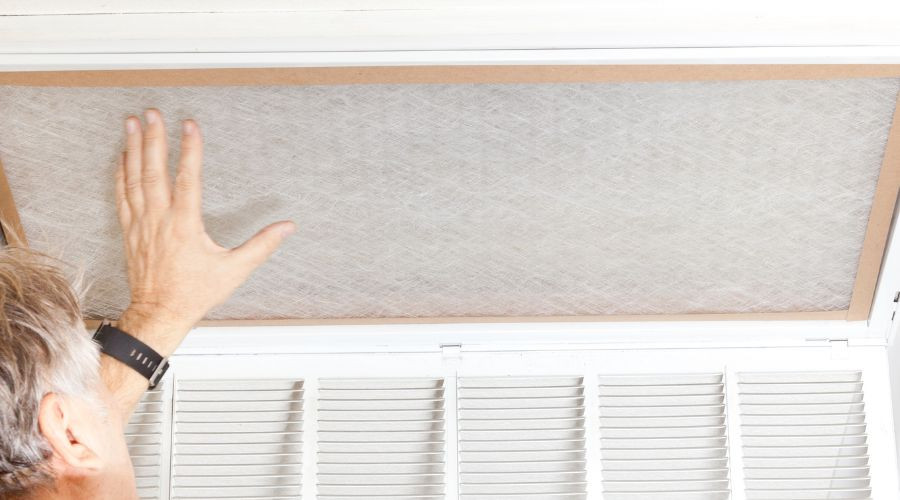
filter Routine air filter replacement is crucial for maintaining optimal system performance and ensuring good indoor air quality. Most manufacturers recommend changing standard filters every 90 days, although specific environments may require more frequent changes. Homes with pets, smokers, or higher dust levels often benefit from monthly replacements.

A simple inspection provides a useful indicator: if light cannot pass through the filter, it is likely time for a change. More frequent replacements can reduce symptom triggers for individuals with allergies, asthma, or other respiratory conditions.

Filter lifespan varies by type. Fiberglass filters typically last up to 30 days, while pleated filters may be effective for 3 to 6 months. High-efficiency HEPA filters can last up to 12 months, depending on usage and air quality conditions. Seasonal transitions are excellent times to inspect and replace filters, as outdoor conditions shift and new allergens become prevalent.

The Hidden Benefits of Timely Air Filter Replacement

save money Timely air filter replacement significantly enhances indoor air quality, improves HVAC performance, and boosts energy efficiency. Clean filters remove airborne pollutants more effectively, improving comfort and reducing respiratory irritants.

According to the EPA, indoor air can be two to five times more polluted than outdoor air. A clean filter helps reduce exposure to these contaminants and minimizes visible dust accumulation on household surfaces.

Operationally, clean filters extend the lifespan of an HVAC system by minimizing wear caused by airflow restriction. Excess strain from dirty filters can reduce system longevity by up to 15%. Energy efficiency also improves; clean filters can reduce an air conditioner’s energy use by 5–15%, according to the U.S. Department of Energy.

Filter replacement needs vary, especially in environments with pets or high levels of allergens. Staying ahead of replacements helps maintain system efficiency and indoor comfort.

About Eric Kjelshus Energy Heating and Cooling

Eric Kjelshus Energy Heating and Cooling has provided trusted residential and commercial HVAC, solar energy, and energy conservation services in Greenwood, MO, for decades. From emergency repairs to energy audits and high-efficiency installations, the team delivers expert service focusing on comfort, sustainability, and customer care. Call today for professional air filter services in Greenwood, MO!

Distribution Links +